
Best Roofing Materials 2026: How to Choose the Right Roof for Your Home
By Patrik Soka, Azinex LLC
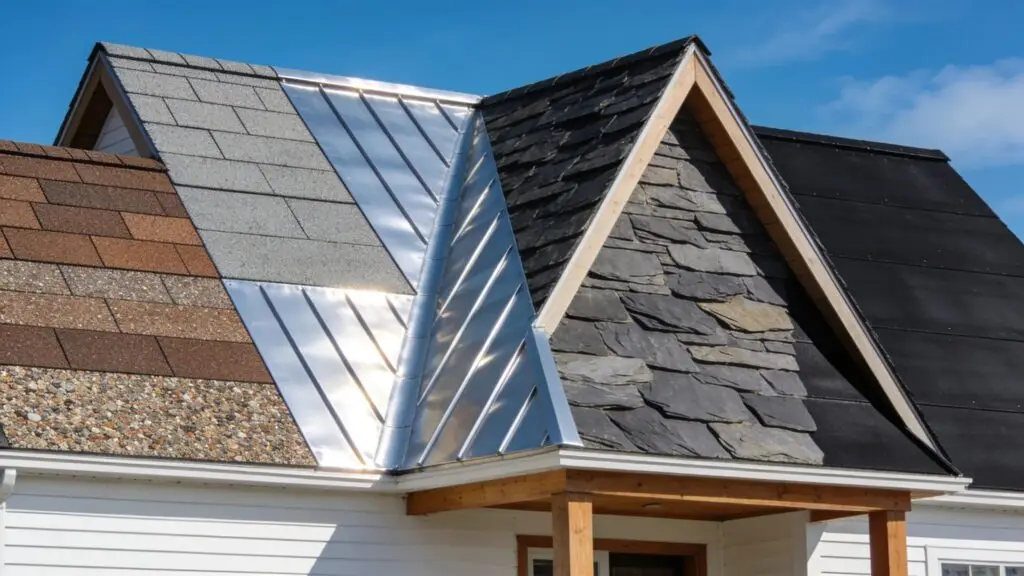
Picking the right roofing material matters for homeowners in New Jersey and Pennsylvania. This guide summarizes common roof types, their benefits, durability, and how they handle local weather. You’ll also get a look at cost and energy considerations to help choose the best fit. Finally, learn how AZINEX Construction can help with your installation decisions.
What Roofing Material Types Should New Jersey and Pennsylvania Homeowners Consider?
Homeowners should know the main roofing options and how each performs where seasons change. Knowing the trade-offs—insulation, storm resistance, and long‑term durability—helps match a material to local conditions and personal priorities.
How Do Asphalt Shingles, Metal, Slate, and Rubber Roofing Compare?
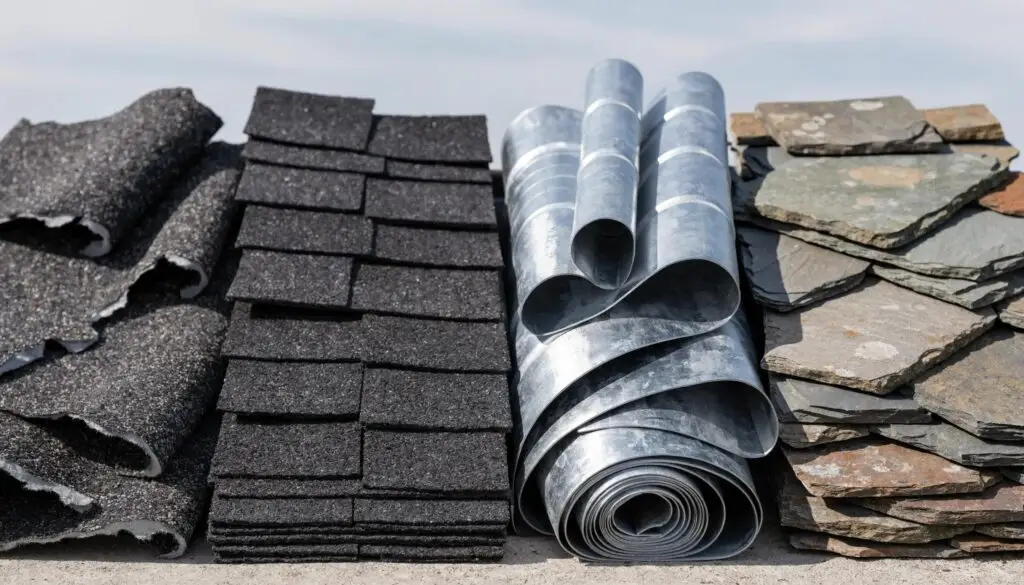
Each material has distinct strengths. Asphalt shingles are budget-friendly and simple to install. Metal costs more upfront but lasts longer and saves on energy. Slate offers long life and curb appeal but is heavy and costly to fit. Rubber performs well against water and is an eco-conscious option.
This table lays out price, lifespan, and the main pros and cons to help you compare.
Use these comparisons to weigh upfront cost against lifespan and performance for your home.
Which Roofing Materials Best Suit Local Climate Conditions?
Match materials to local weather: metal and slate handle snow and cold well due to durability and shedding; rubber resists moisture and heavy rain. Review typical local conditions to choose the material that will perform best over time.
How Do Cost and Durability Impact Your Roofing Material Choice?
Cost and durability shape your budget and long‑term value. Consider initial price, expected lifespan, and routine maintenance needs to avoid surprise expenses and get the best return on your roof investment.
What Are the Expected Lifespans and Maintenance Needs of Popular Roofing Materials?
- Asphalt Shingles: Typically last between 15-30 years, require minimal maintenance, mainly needing periodic inspections and occasional shingle replacement.
- Metal Roofing: Offers a long lifespan of 40-70 years with minimal upkeep, though regular inspections for loose panels and sealants are advisable.
- Slate Roofing: Known for its impressive longevity of 75-200 years but may require professional cleaning and inspection to maintain its appearance and performance.
- Rubber Roofing: Usually lasts 30-50 years, requiring regular inspections to ensure integrity, particularly around seams and joints.
How Does Pricing Vary for Roofing Materials in New Jersey and Bucks County PA?
Regional factors—material supply and labour—affect pricing. In New Jersey and Bucks County, asphalt is generally the most economical, while metal and slate justify higher costs through longer service life. Get several estimates to compare local rates.
Why Are Energy-Efficient and Storm-Resistant Roofs Gaining Popularity in 2026?
Rising energy costs and more extreme weather are driving demand for roofs that cut heating and cooling bills and stand up to storms. Energy‑efficient and storm‑resistant options lower operating costs and protect homes in severe events.
What Are the Benefits of Metal and Recycled Rubber Roofing for Energy Savings?
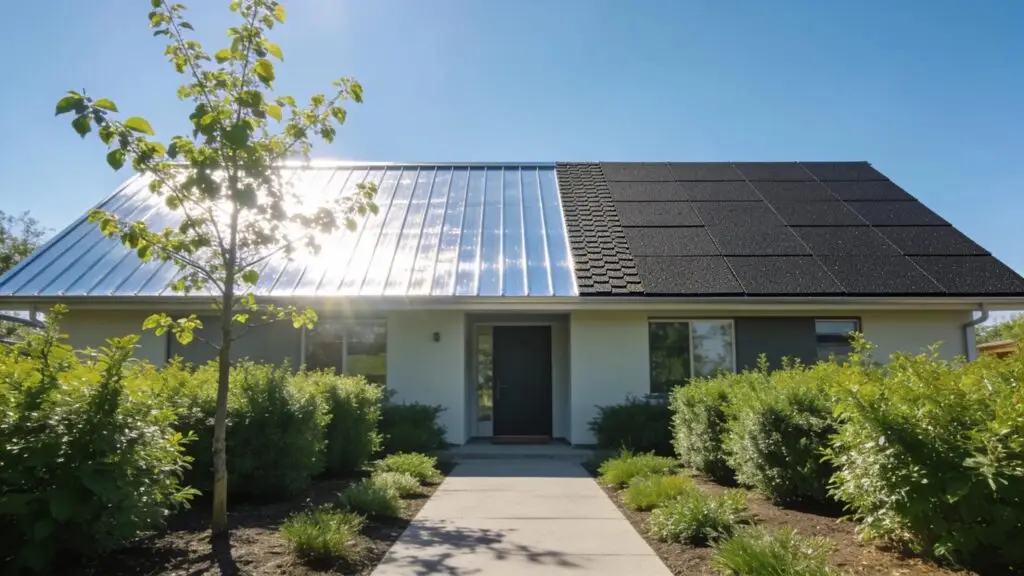
Metal reflects sunlight, reducing heat gain and cooling costs in summer. Recycled rubber adds insulation and helps lower energy use as well. Both are eco-friendlier choices for homeowners aiming to reduce their carbon footprint.
How Do Roofs Perform Against Severe Weather in New Jersey and Pennsylvania?
In severe weather zones, pick materials that resist likely hazards. Metal resists high winds and impact better than many options; rubber provides strong waterproofing against heavy rain. Choose based on the regional risks you face.
This focus on resilience is echoed in broader research on climate change and building materials.
Climate Resilience in Membrane Roofing Systems
Canada is warming at roughly twice the global rate, increasing the frequency and severity of extreme weather and raising risks to low‑slope membrane roofing systems. These changes can compromise membrane integrity and increase failure likelihood. Designing resilient roofs requires a holistic approach: access to localised climate projections, proper resistance evaluation, and integrated quality assurance. Together, these three elements form the foundation for roofs that are climate‑adaptive and resilient.
Climate Resiliency of Membrane Roofing Systems, 2023
How Can AZINEX Construction Help with Your Roofing Material Consultation and Installation?
AZINEX Construction draws on hands‑on experience to guide homeowners through material selection and installations. We balance performance, looks, and budget to recommend solutions suited to local conditions and personal preferences, streamlining the decision process.
What Free Consultation and Estimate Options Does AZINEX Provide?
AZINEX Construction provides free consultations and estimates that start with a roof assessment and a discussion of suitable materials. The goal is to give clear information so you can decide without pressure.
Why Choose AZINEX for Roofing Installation in Mercer, Burlington, Camden, Gloucester, and Bucks Counties?
Homeowners across these counties rely on AZINEX Construction for dependable workmanship and local expertise. Our team focuses on efficient installations and customer satisfaction, tailoring each project to meet client expectations and site conditions.
Frequently Asked Questions
What should I consider when assessing the durability of roofing materials?
Check how a material handles weather extremes, its typical lifespan, and routine maintenance needs. Prioritise products with proven local performance for snow and rain, and review manufacturer warranties as an indicator of expected durability.
How do roofing materials impact home insurance costs?
Some materials can lower insurance premiums—insurers may offer discounts for fire‑ or impact‑resistant roofs or those with long lifespans. Metal and slate often qualify for such savings, while less durable materials can raise rates. Confirm specifics with your insurer.
What financing options are available for roofing installations?
Many contractors, including AZINEX Construction, provide financing solutions such as payment plans, low‑interest loans, or third‑party financing. Discuss options during your consultation to find a plan that fits your budget.
How can I increase the lifespan of my roof?
Regular maintenance extends roof life: schedule inspections, repair damage promptly, keep gutters clear, and ensure proper ventilation. Trim trees to reduce storm damage risk. These steps help prevent costly problems later.
Are there eco-friendly roofing options available?
Yes. Metal roofing is recyclable and often contains recycled content; rubber can be made from recycled tires. Solar shingles and other energy‑efficient products also reduce carbon output and may qualify for green incentives.
What are the signs that I need a new roof?
Watch for interior leaks, missing or damaged shingles, and curling or significant wear at edges. If your roof nears the expected lifespan for its material—about 20–30 years for asphalt—schedule an inspection to evaluate replacement needs.
Conclusion
Choosing the right roofing material means balancing durability, cost, and appearance for your climate. By comparing asphalt, metal, slate, and rubber you can pick a roof that protects and improves your home. Contact AZINEX Construction for expert consultation and a reliable installation when you’re ready to upgrade.