Maximizing Exterior Home Improvement ROI in 2026 — How to Boost Property Value and Curb Appeal
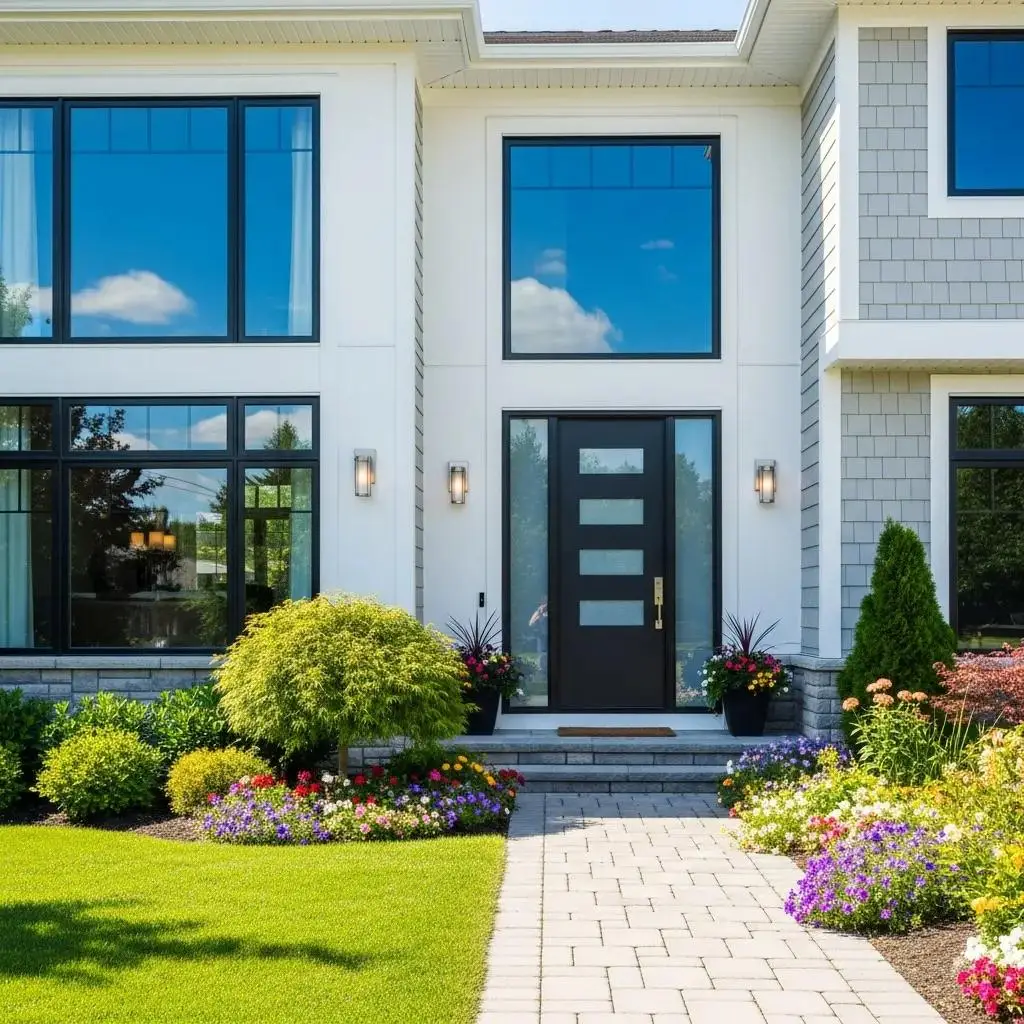
Exterior upgrades are one of the smartest ways to raise your home’s value and curb appeal. More homeowners are weighing projects by return on investment (ROI) before they start. This guide walks through the exterior improvements that deliver the best financial returns while improving a home’s look and function. Knowing which upgrades pay off helps you choose projects that fit your goals and budget.
Below we cover the top exterior improvements — from window and door swaps to siding and roofing — plus financing options that make these projects more achievable and the energy-efficient choices that can boost long‑term ROI.
Which Exterior Home Improvements Offer the Highest Return on Investment?
Certain exterior projects consistently deliver strong returns. Focus on upgrades that improve both performance and curb appeal to get the most value back when you sell.
- Window Replacement: Replacing old windows with energy‑efficient models can meaningfully increase home value. New windows reduce heating and cooling costs and refresh the home’s look. Expect roughly a 70–75% return on window replacement investments.
- Front Door Replacement: A new front door improves curb appeal, boosts security and can tighten up energy performance. Most homeowners recoup about 75% of the door cost at resale, especially when choosing durable, stylish materials that match the house.
- Siding Replacement: Upgrading siding typically returns 75–80%, depending on material. Vinyl is popular for affordability and low upkeep; fiber cement costs more but adds durability and visual appeal.
- Roof Replacement: A new roof protects the home and makes it more marketable. For asphalt shingles, homeowners can expect about a 60–65% return — a solid value for such a key component.
- Deck Addition: Adding a deck expands usable outdoor space and often returns 65–75%, making it a strong choice if you want to improve living space and buyer appeal.
Beyond resale value, these projects also make your home more comfortable and easier to maintain day to day.
How Does Window Replacement Impact Home Value and Energy Efficiency?
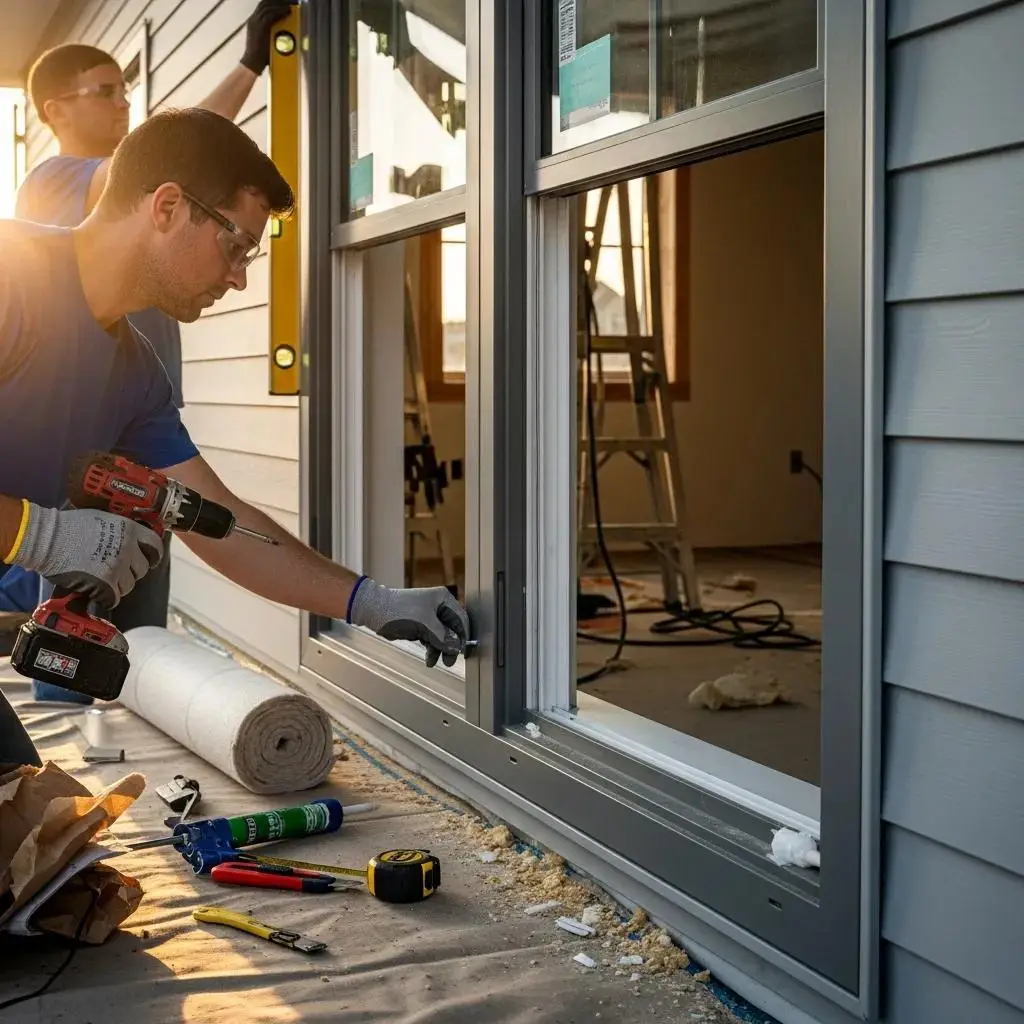
Window replacement is one of the most cost‑effective exterior upgrades. Modern, energy‑rated windows reduce drafts and heat transfer, which often leads to noticeable savings on heating and cooling. They also improve the home’s appearance — a double benefit for resale value.
What Is the ROI of Front Door Replacement for Curb Appeal?
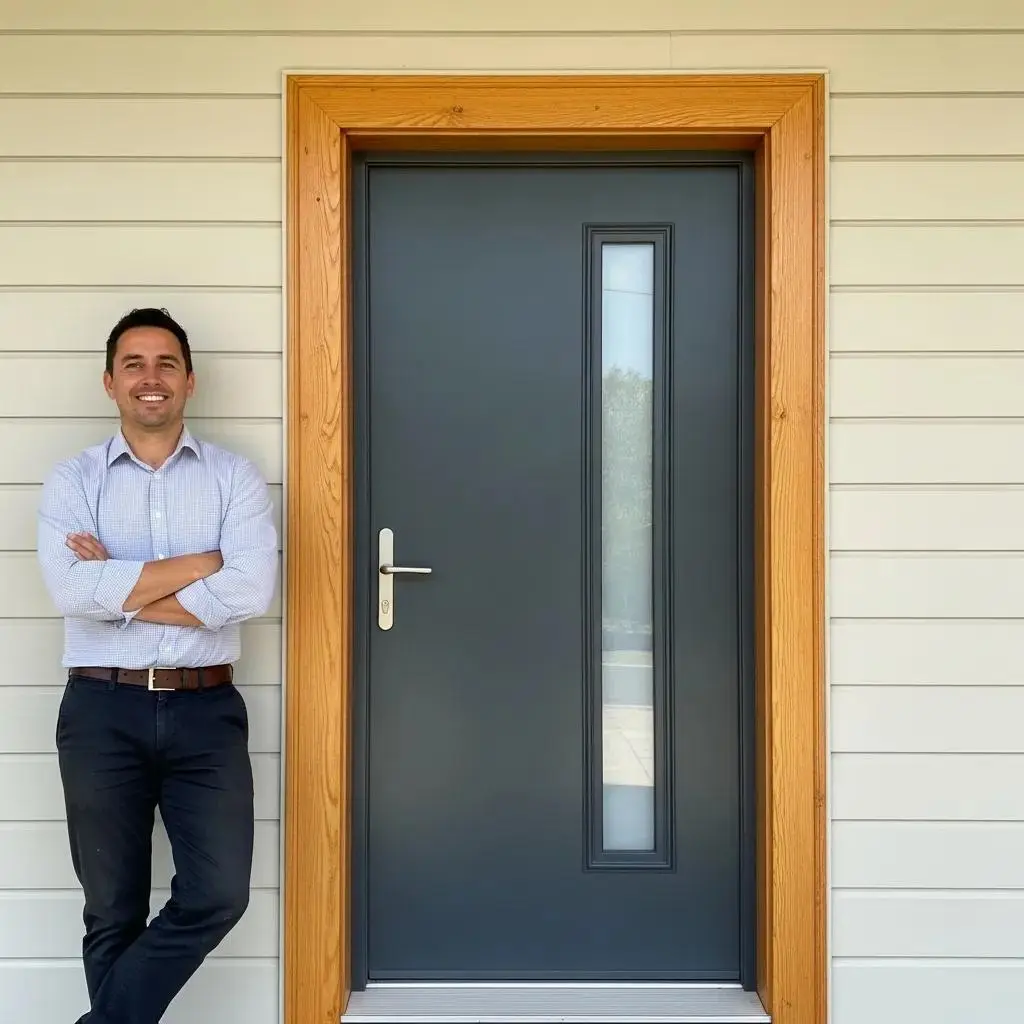
Swapping an older front door for a new, well‑insulated model is relatively inexpensive but delivers a big visual return. A new entry improves security, energy performance and first impressions — and homeowners typically recover about 75% of the cost at resale.
How Much Value Does Siding Replacement Add to Your Home?
Siding replacement is a major exterior investment that can dramatically change a home’s curb appeal and longevity. The material you choose affects both ROI and maintenance.
- Vinyl Siding: Vinyl is a top choice for many homeowners because it’s budget-friendly and low maintenance. Expect about a 75% return on vinyl siding replacement.
- Fiber Cement Siding: More costly up front, fiber cement offers excellent durability and a high‑end look. It can return up to 80%, which makes it attractive for long‑term owners.
- Wood Siding: Wood delivers a classic aesthetic but requires more upkeep. ROI varies and is generally lower than vinyl or fiber cement because of ongoing maintenance needs.
Choosing quality materials protects your home from weather and keeps it looking its best for years — a practical route to long‑term value.
Comparing Vinyl and Fiber Cement Siding ROI and Durability
Vinyl and fiber cement each have clear advantages: vinyl for cost and ease of care, fiber cement for resilience and curb appeal. Your budget and how long you plan to stay in the home should guide the final decision.
What Are the Long-Term Benefits of Upgrading Your Home’s Siding?
New siding improves curb appeal, helps stabilize indoor temperatures and cuts down on maintenance. Modern siding resists fading and warping, protecting your investment and reducing future upkeep costs.
What Is the Return on Investment Percentage for Roof Replacement?
Replacing a roof is a major, necessary expense that also influences buyer perception. A sound roof protects everything underneath and reassures prospective buyers.
- Asphalt Shingles: Widely used for their affordability and effectiveness, asphalt shingles typically return about 60–65%.
- Metal Roofing: Metal lasts much longer and can improve energy performance; its ROI often falls in the 70–75% range over the long term.
- Tile Roofing: Tile offers longevity and style but comes with higher upfront cost; ROI varies by market and architectural fit, often around 50–60%.
Knowing the expected lifespan and energy benefits helps match roofing choices to your budget and resale plans.
How Asphalt Roofs Affect Home Resale Value and Protection
Asphalt roofs are a dependable, cost‑effective option. Buyers often prefer homes with newer roofs because it reduces the risk of immediate repairs — a practical selling point.
When Is Roof Replacement Most Cost-Effective for Homeowners?
Timing matters: replace a roof when you see missing shingles, leaks or widespread wear. Replacing the roof before listing the house can improve marketability and buyer confidence.
How Can Energy-Efficient Exterior Upgrades Increase Your Home’s ROI?
Energy-efficient upgrades lower utility bills and appeal to buyers who value sustainability. Many of these improvements pay back a large portion of their cost over time.
- Energy-Saving Windows: Double- or triple-pane windows cut heating and cooling loads and commonly return 70–75%.
- Insulation Upgrades: Better attic and wall insulation improves comfort and can return 80–85% through energy savings and increased home value.
- Energy-Efficient Doors: Upgrading to insulated, well-sealed doors improves comfort and security and typically returns about 70–75%.
Choosing energy-efficient products reduces ongoing costs and makes your home more attractive to today’s buyers.
Which Energy-Saving Windows and Doors Provide the Best Payback?
Look for high energy ratings and quality installation. Double- or triple-glazed windows and insulated doors often deliver the fastest payback through lower utility bills and stronger resale appeal.
How Do Exterior Improvements Enhance Comfort and Reduce Utility Costs?
Work that seals drafts and improves insulation leads to a steadier indoor temperature and smaller utility bills. That means better comfort year‑round and savings that add up over time.
What Financing Options Make Exterior Home Improvements More Accessible?
Financing can make larger exterior projects manageable. Understanding your options helps you choose the best path for both short‑term cash flow and long‑term value.
- Home Equity Loans: Borrow against your home’s equity for renovations at generally lower interest rates.
- Personal Loans: Unsecured loans can fund improvements with flexible repayment but usually at higher rates.
- Government Grants and Incentives: Federal, state and local programs often offer grants or tax credits for energy-efficient upgrades, lowering your net cost.
These financing routes let homeowners invest in meaningful updates without draining savings.
How Flexible Financing Influences Homeowner Investment Decisions
When financing is accessible and predictable, homeowners are more likely to take on projects that improve value. Clear options and credible estimates make planning easier.
Are Free Consultations and Estimates Important for Planning Exterior Upgrades?
Yes — a free consultation and a no‑obligation estimate give you a clear picture of costs and options before you commit. AZINEX Construction offers free, no‑pressure consultations so homeowners can explore upgrades with confidence.
How Do Exterior Renovations Affect Home Resale and Market Appeal?
Exterior renovations change first impressions and can speed up a sale or lift offers. Buyers reward homes that look cared for and that offer modern comforts.
- Curb Appeal: Exterior improvements attract more buyers and create a strong first impression.
- Market Trends: Aligning upgrades with what buyers currently want increases the chance of a faster, higher sale.
- Long-Term Value: Thoughtful renovations can raise a home’s long‑term worth and reduce future maintenance headaches.
Smart exterior updates position your home well when it’s time to sell and make daily life more enjoyable in the meantime.
Which Exterior Upgrades Are Most Valued by Buyers in New Jersey and Pennsylvania?
In New Jersey and Pennsylvania, buyers often favor energy-efficient improvements, modern siding, and attractive outdoor spaces. Local climate and neighborhood styles shape which upgrades deliver the most value.
How to Calculate ROI Using Home Remodeling Cost vs. Value Reports
Use cost vs. value reports to compare average renovation expenses with typical resale returns. These reports help you estimate ROI and prioritize projects that deliver the best financial outcome.
Frequently Asked Questions
What are the best exterior improvements for increasing home value?
Window and door replacements, siding upgrades and roof work are consistently among the top exterior projects for increasing home value. These improvements improve appearance, energy efficiency and security. Siding and window replacements often show the highest ROI, and outdoor living additions like decks can also add strong buyer appeal.
How can homeowners determine the right time to invest in exterior improvements?
Watch for signs of wear — peeling paint, damaged siding, drafty windows or a failing roof — and consider market timing. If you’re planning to sell soon, targeted upgrades can pay off at listing. If you plan to stay longer, prioritize durability and efficiency to maximize long‑term value.
What financing options are available for exterior home improvements?
Common options include home equity loans, personal loans and government grants or rebates for energy upgrades. Home equity loans tend to offer lower interest rates; personal loans give flexibility for smaller projects; incentives can offset upfront costs for qualifying work.
How do energy-efficient upgrades impact home resale value?
Energy-efficient upgrades appeal to buyers who want lower utility bills and modern systems. Upgrades like high‑performance windows, improved insulation and efficient doors can make a home easier to sell and often command stronger offers.
What role does curb appeal play in selling a home?
Curb appeal is crucial — it forms the buyer’s first impression. Simple exterior updates like fresh paint, tidy landscaping and updated siding can attract more showings and often lead to faster sales at better prices.
Are there specific exterior upgrades that are more popular in certain regions?
Yes. Cold climates often prioritize insulation and energy‑efficient windows, coastal areas need siding and materials that resist moisture and salt, and suburban buyers frequently value outdoor living features. Match upgrades to local conditions and buyer preferences for the best ROI.
How can homeowners calculate the ROI of their exterior improvements?
Compare the renovation cost against the estimated increase in home value using cost vs. value reports and local market data. That comparison gives a realistic ROI estimate and helps prioritize projects that fit your goals.
Conclusion
Exterior upgrades can do more than improve looks — they protect your home, lower operating costs and often return a large share of your investment when you sell. Focus on high‑ROI projects like windows, siding and energy upgrades, and explore financing or incentives that make them manageable. When you plan carefully, the right exterior improvements boost both daily life and your home’s market value.